PhD, AI & Robotics · Founder, Aullect
I build <Physical> AI that leaves the lab for the real world
15+ years moving between research and real deployments: mobile robots, patented industrial systems, and now Aullect - logistics AI for the Gulf.
About
01
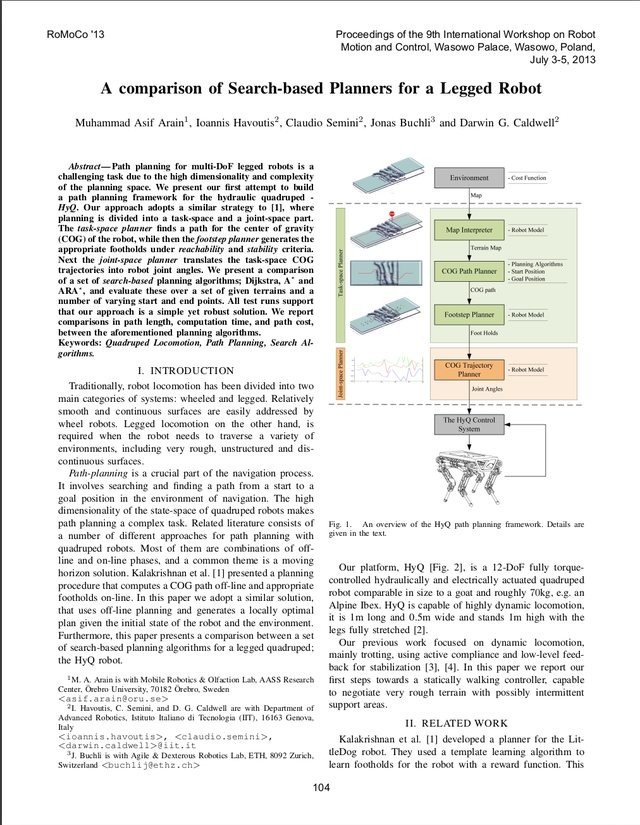
I'm Asif Arain - a robotics PhD who ended up founding a logistics AI company that resolves unstructured Arabic addresses and optimizes delivery routes. In between, I've built robots capable of walking on rough terrain, robots for autonomous gas leak detection, robots for rescue operations, and robots for logistics operations; shipped a patented anomaly detection system; and consulted on healthcare NLP.
I like problems that don't stay theoretical for long. I'm running Aullect, and happy to work across the GCC.
Aullect: logistics intelligence layer for last-mile deliveries
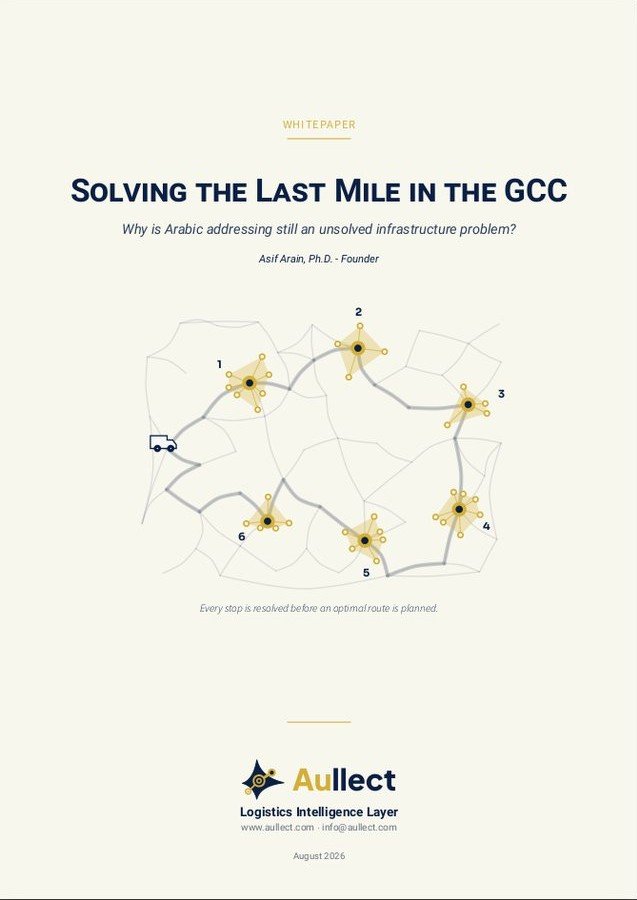
02I set out to fix a problem specific to the Gulf: addresses that don't fit a Western schema, and delivery routes planned once and never revisited. Aullect is the product answer - an LLM-powered engine that normalizes Arabic addresses and optimizes routes for GCC fleet operators, built and led by me end to end. I demonstrated it at GITEX 2025 in Dubai, and the next stop is LEAP 2026 in Riyadh and AI Everything 2026 in Abu Dhabi.
- District
- Street
- Unit
- Coordinates
Illustrated example on real Jumeirah Village Circle roads. Addresses, parcel counts, time windows and confidence scores are illustrative. Road data © OpenStreetMap contributors.
ARMEx: a robot that could smell danger from a distance
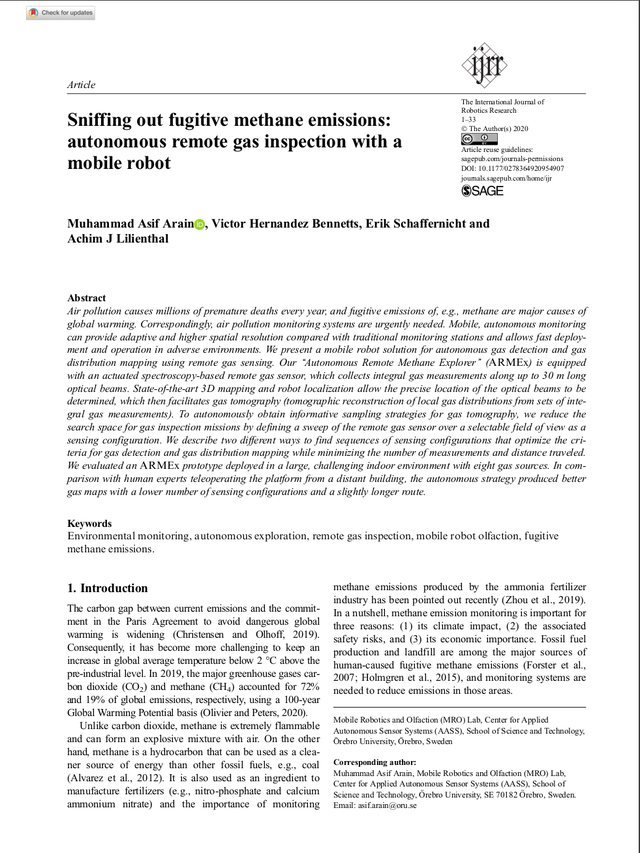
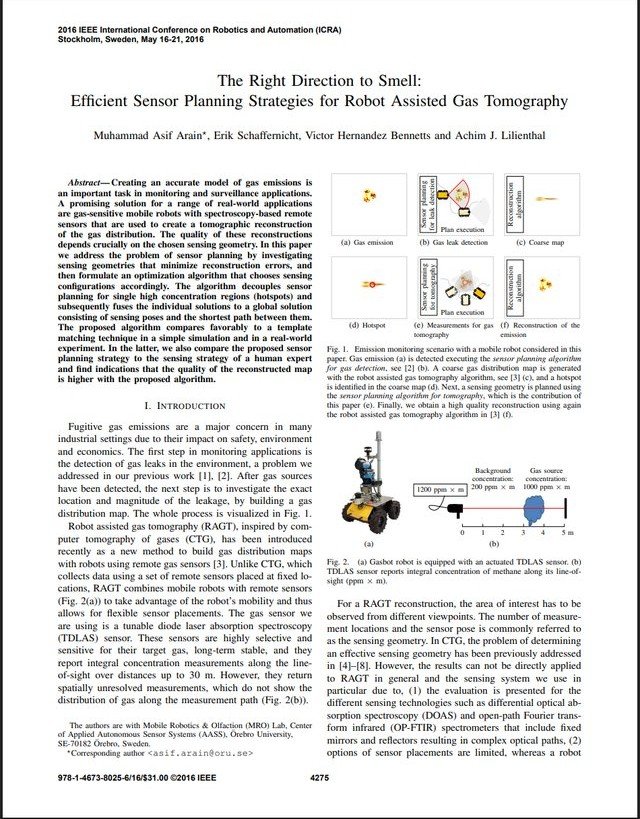
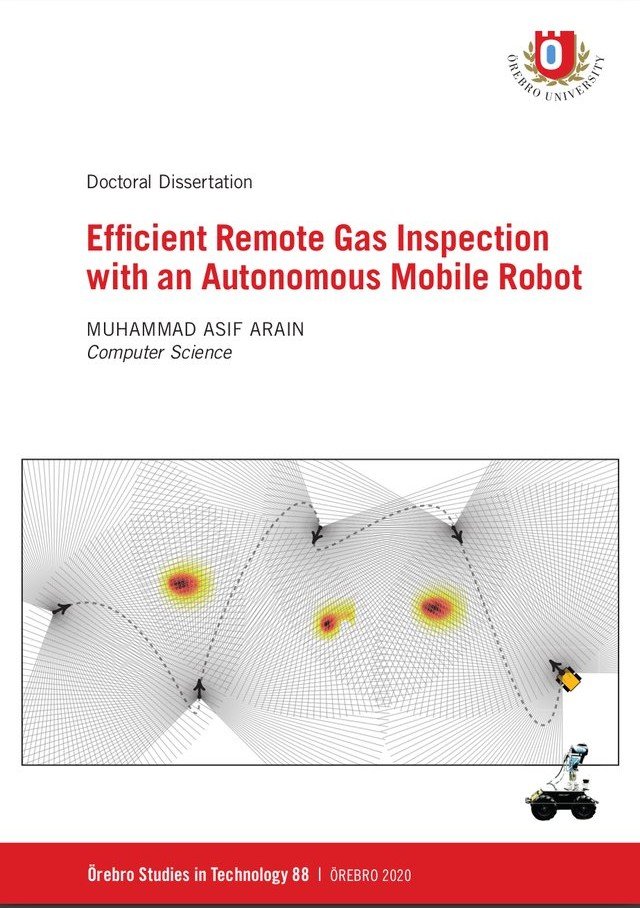
03My PhD at Örebro University asked a narrower question: could a mobile robot find a gas leak on its own, without a human pointing it in the right direction? ARMEx was the answer - an autonomous exploration framework that mapped gas distributions and localised emission sources well enough to be benchmarked against expert human operators, and published in the International Journal of Robotics Research.
ARMEx in the field, and (top right) a full trial session sped up ~8× - indoor exploration, mast rotating to scan for gas.
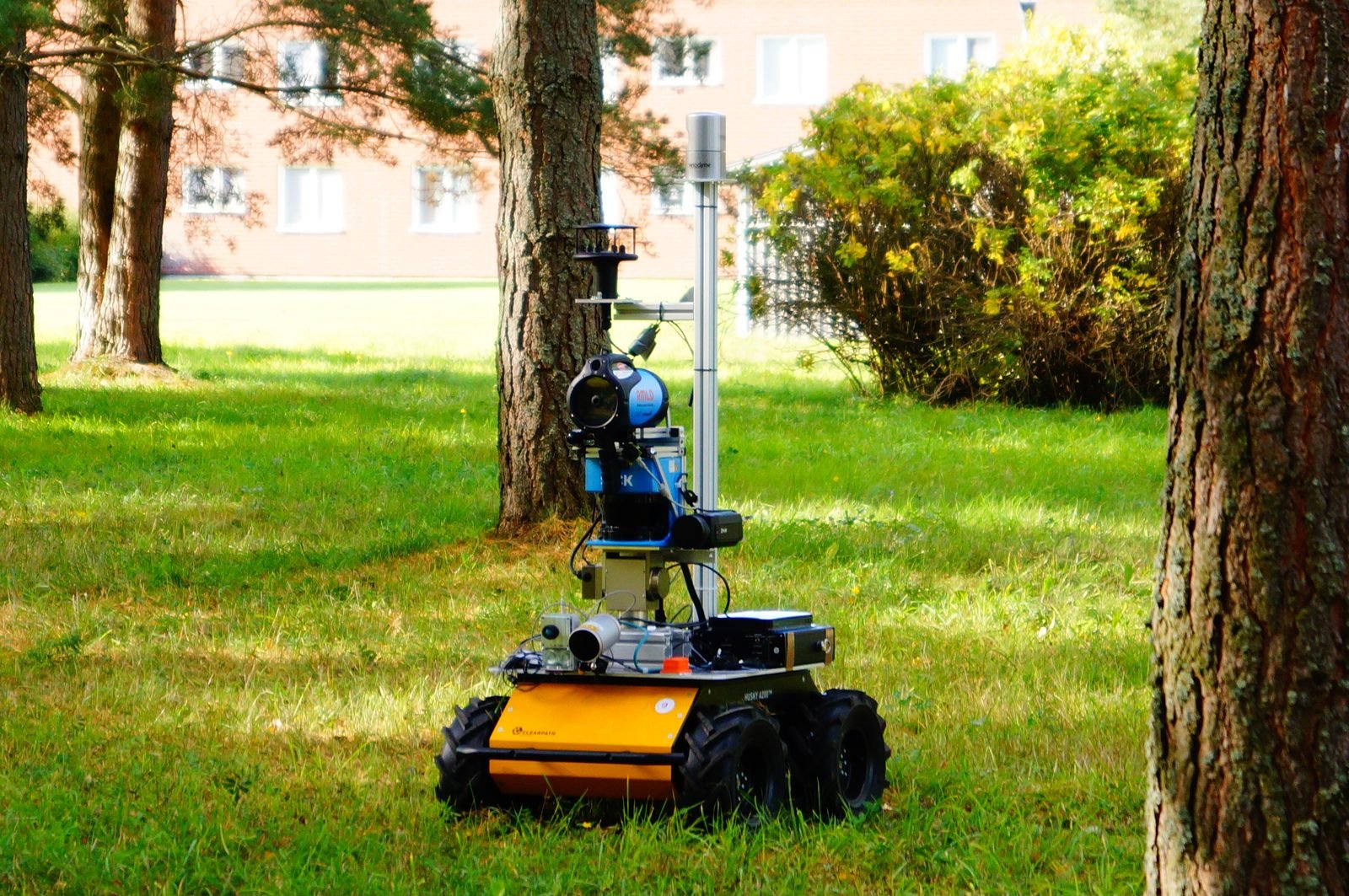
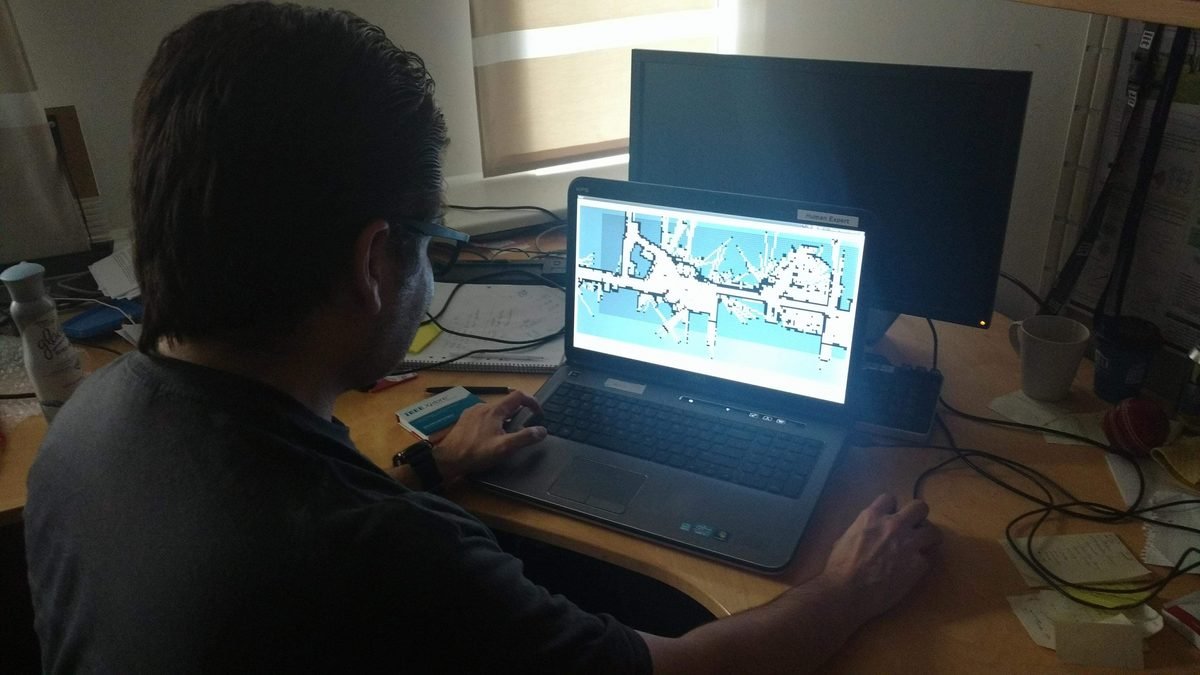
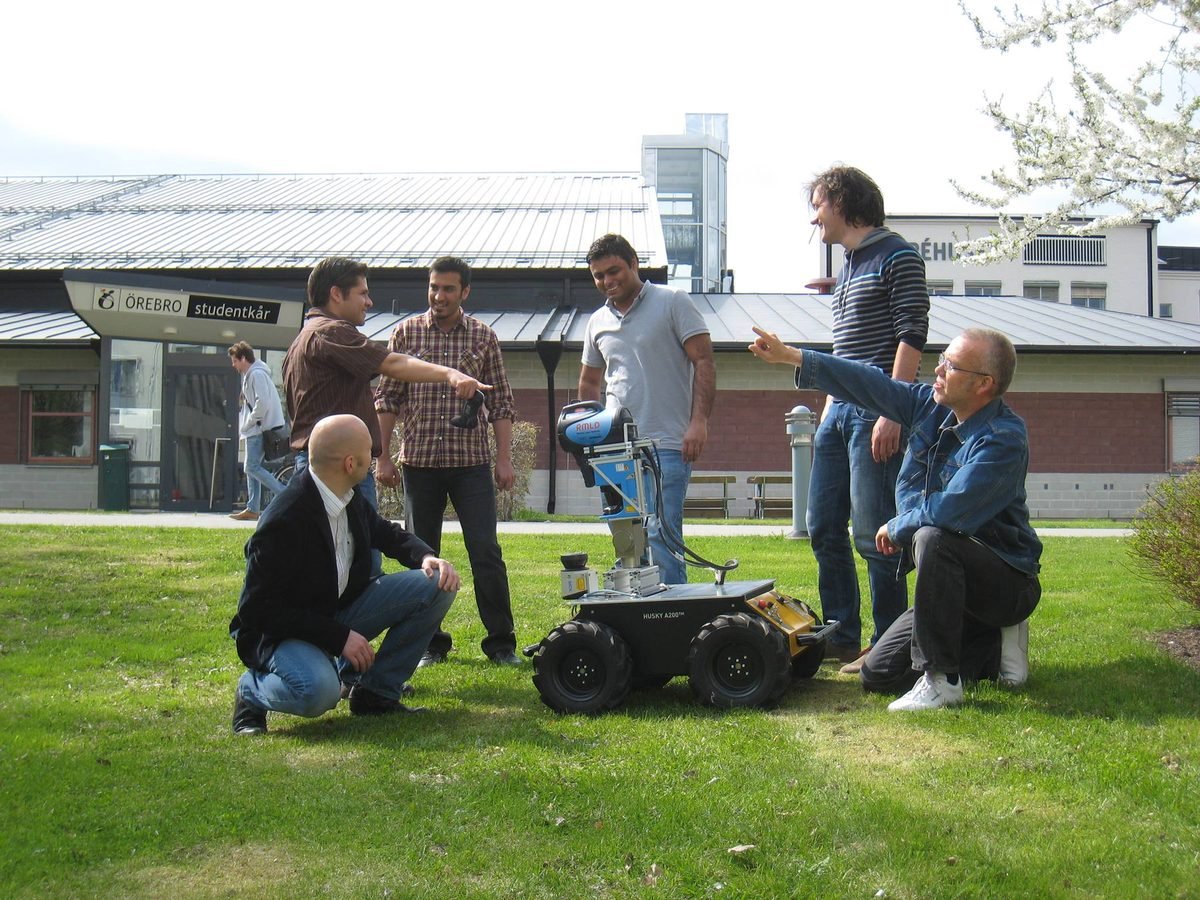
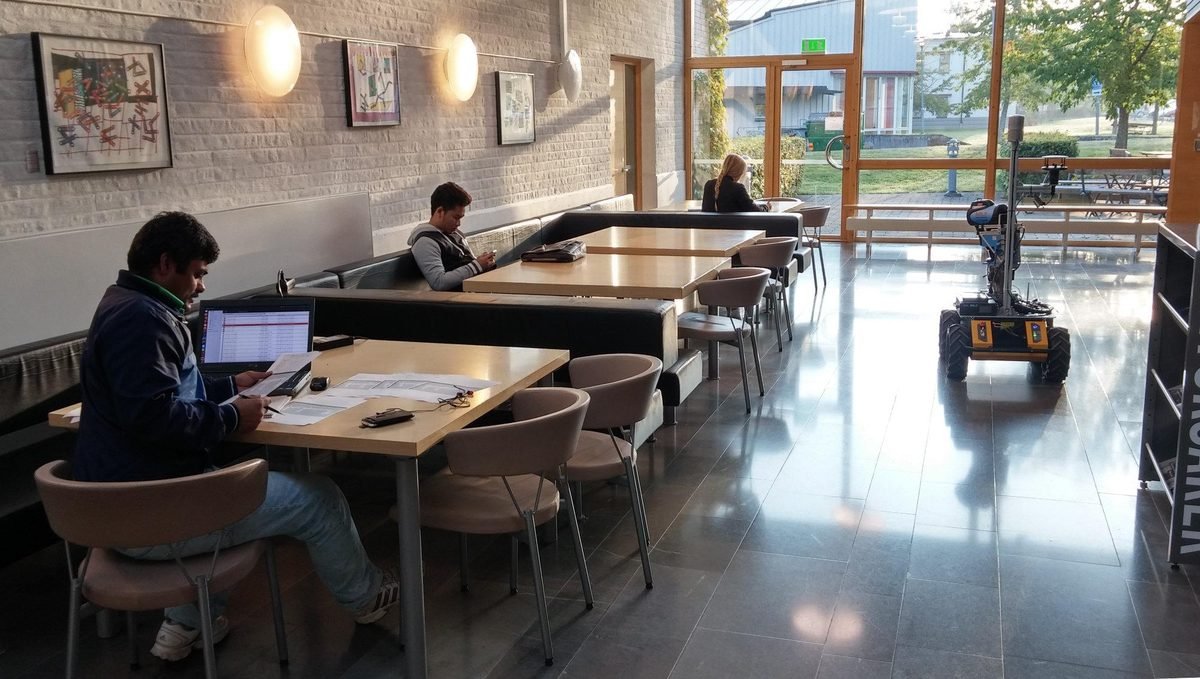
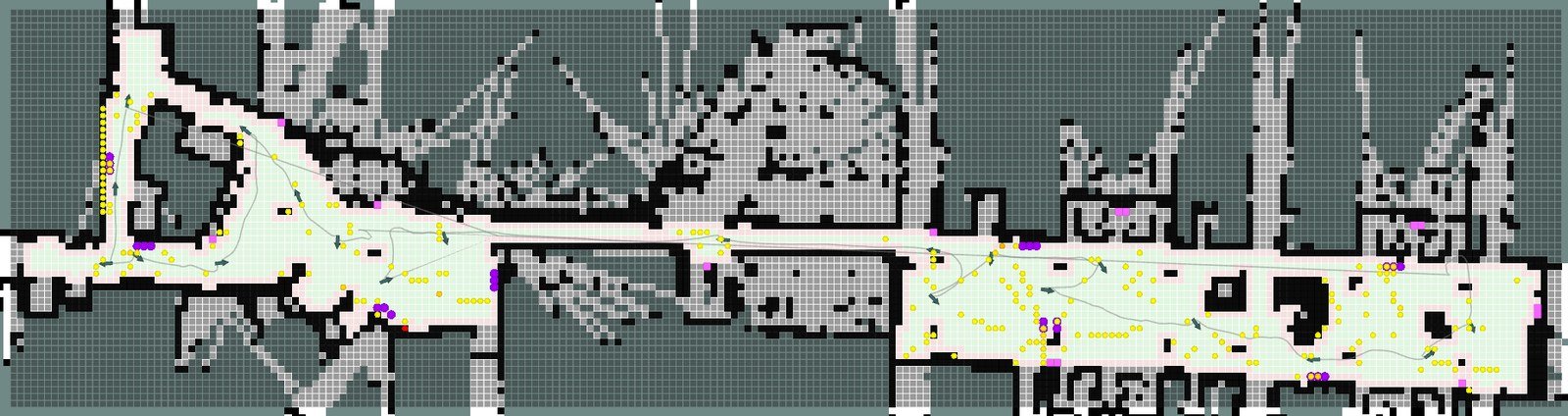
The output: an occupancy map with gas-concentration measurements overlaid, built autonomously by the robot. Yellow to purple marks rising concentration; the trace is the robot's path.
Patented anomaly detection system
04I worked on a different kind of sensing problem at Tetra Pak: spotting a packaging defect in a food-processing line before it becomes waste. The system I invented monitors the packaging cycle in real time and flags the fault within a 4-millisecond window. It now runs across 27 factories and was granted a European patent. Below are the results with the system off and on. Isn't it cool? :)
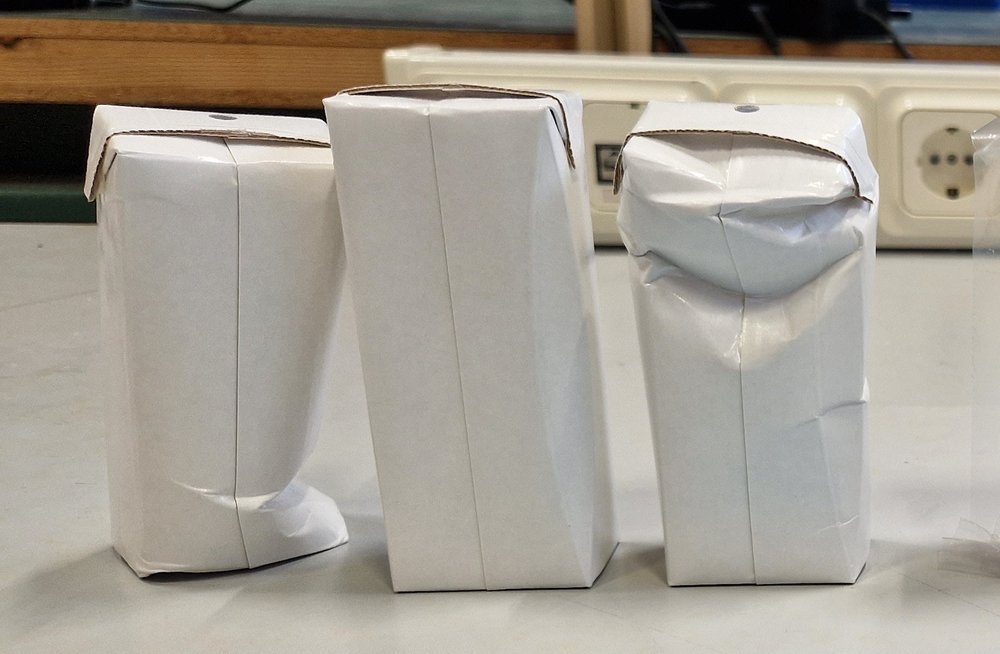
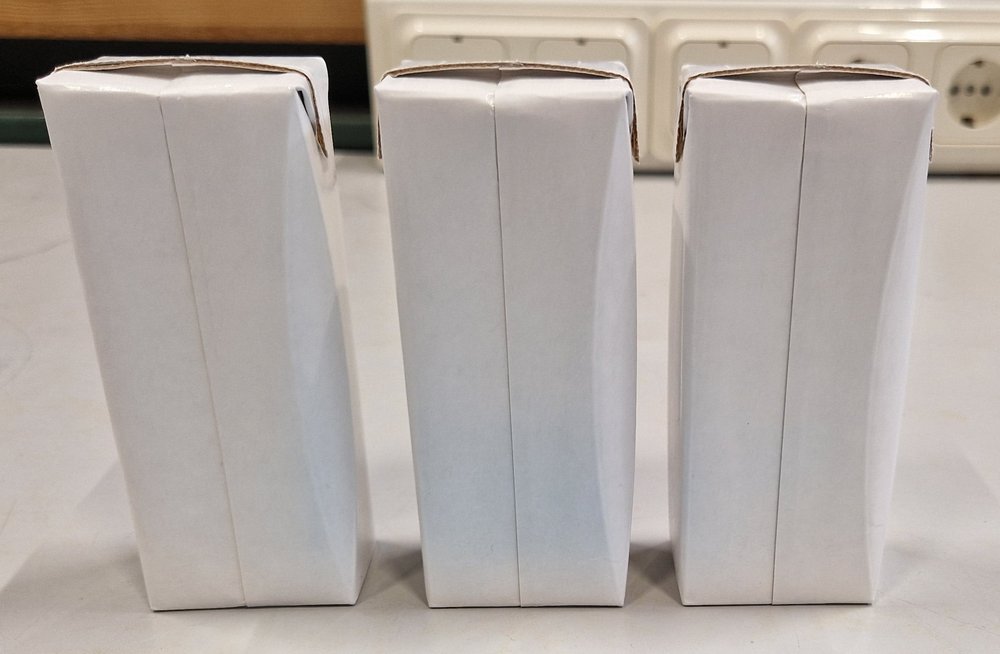
European Patent EP4575689 · View patent record ↗
Further afield
05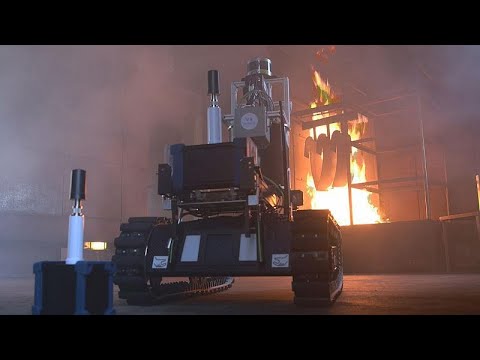
SmokeBot - autonomous disaster-site inspection, featured on Euronews. Open on YouTube ↗
SmokeBot, shown here on Euronews, was a European project on robots that can inspect disaster sites through smoke and dust, where ordinary cameras fail. I worked on the perception and localization that let it navigate in near-zero visibility.
I contributed the same to ILIAD, a European project on infrastructure-free localization for autonomous intra-logistics fleets.
Publications
06My research has been published in top-tier journals and conferences, including the International Journal of Robotics Research, IEEE ICRA, IEEE ISOEN and MDPI Sensors, and I hold a granted European patent (EP4575689) for the anomaly detection system above. Full list, citations and the patent record on Google Scholar.
Let's explore what we could build together
I'm always excited to talk with people working on hard problems in AI, robotics and logistics - whether that's a partnership around Aullect, a research collaboration, an advisory role, or something neither of us has thought of yet. If any of the work above resonates, I'd like to hear from you.